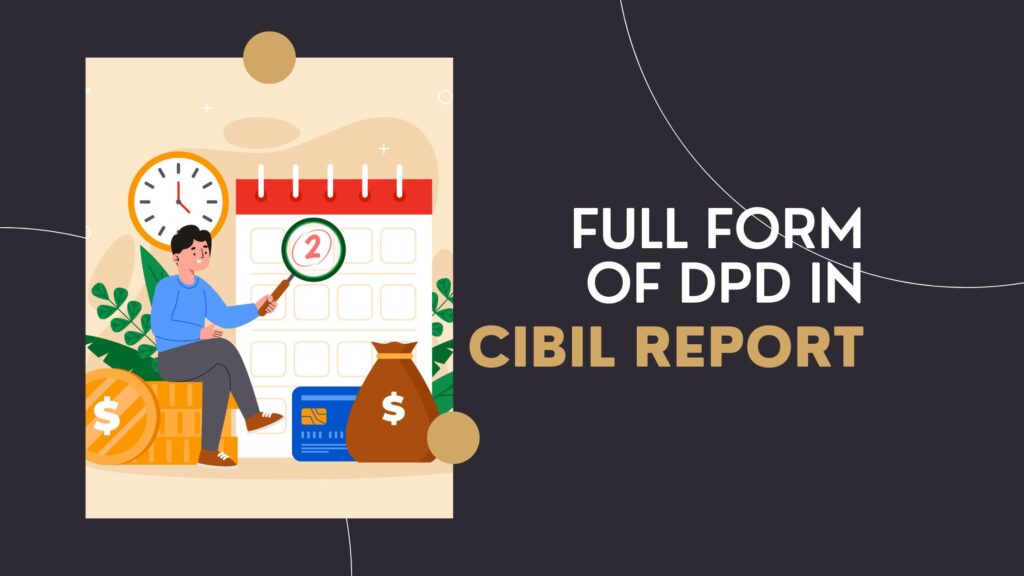
DPD stands for Days Past Due. Understanding the full form of DPD is important because it is a critical term used in the banking and credit industry to indicate the number of days a borrower has delayed a loan or credit card payment beyond its due date. Though it may appear as a small technical entry in your credit report, DPD plays a major role in determining your creditworthiness and directly impacts your credit score.
In today’s financial environment, where loans, credit cards, and digital credit products are widely used, understanding DPD is essential for maintaining good financial health. This article explains the full form of DPD, how it works, how it affects your credit score, and why timely payments are crucial.
What Is the Full Form of DPD (Days Past Due)?
DPD (Days Past Due) represents the number of days a payment on a credit account such as a loan EMI or credit card bill has remained unpaid after the due date.
For example:
- If your EMI due date is 1st June
- And you make the payment on 5th June
- Then your DPD is 4 days
Lenders report DPD information to credit bureaus like CIBIL, Experian, Equifax, and CRIF High Mark. This data helps lenders assess how disciplined a borrower is in repaying debts.
Full Form of DPD in Credit Reports Explained
DPD is usually shown in a monthly repayment history format. Each month reflects whether your payment was:
- Paid on time (0 DPD)
- Delayed (30, 60, 90+ DPD)
- Written off or settled
Common DPD categories include:
- 0 DPD – Paid on time
- 1–30 DPD – Slight delay
- 31–60 DPD – Moderate delay
- 61–90 DPD – Serious delay
- 90+ DPD – Default risk
Even a single missed payment can be reported and remain on your credit report for years.
Why the Full Form of DPD Matters for Your Credit Score
DPD is important because it:
- Reflects your repayment discipline
- Helps lenders assess credit risk
- Influences your credit score calculation
- Determines loan approval and interest rates
Banks and NBFCs rely heavily on DPD data to decide whether you are a reliable borrower.
How DPD Affects Your Credit Score
Your credit score (such as the CIBIL score, ranging from 300 to 900) is highly sensitive to payment behavior. DPD has a direct and often negative impact on this score.
1. Even Small Delays Can Hurt
A delay of even 1–30 days can lower your credit score, especially if:
- You have a short credit history
- You already have previous late payments
Though the impact is smaller compared to longer delays, repeated short delays indicate poor discipline.
2. Higher DPD Means Bigger Damage
As DPD increases, the damage becomes more severe:
| DPD Range | Impact on Credit Score |
|---|---|
| 1–30 days | Mild negative impact |
| 31–60 days | Moderate drop |
| 61–90 days | Significant drop |
| 90+ days | Severe damage, default status |
Accounts marked 90+ DPD are considered high risk and can drastically reduce your credit score.
3. Long Term Consequences
DPD records stay on your credit report for up to 7 years, even after the loan is fully repaid. This means:
- Future loan approvals become difficult
- Interest rates may be higher
- Credit card limits may be reduced
- Some lenders may reject applications outright
4. Multiple Accounts with DPD
If you have DPD across multiple loans or credit cards, the impact multiplies. It signals chronic repayment issues and increases perceived credit risk.
To understand this better, it helps to know the difference between credit score and CIBIL score, as lenders in India often rely on specific bureau scores while evaluating DPD entries.
DPD in Different Credit Products (Loans & Credit Cards)
Credit Cards
Late payment of even the minimum amount due leads to DPD. Credit cards are especially sensitive because they are unsecured loans.
Personal Loans
Missed EMIs quickly reflect as DPD and cause a steep score drop due to higher loan risk.
Home Loans
While home loans may offer some flexibility, consistent delays still affect your credit profile negatively.
Buy Now Pay Later (BNPL) & Digital Loans
Many borrowers overlook these, but delays here are also reported and can hurt your credit score.
How to Avoid DPD and Late Payment Issues
- Set Auto-Debit Instructions
Automate EMIs and credit card payments. - Pay Before the Due Date
Paying early helps avoid technical delays. - Maintain Emergency Funds
Ensures you can pay EMIs during financial stress. - Track All Credit Accounts
Missed small payments can cause big damage. - Communicate with Lenders
In genuine hardship cases, request restructuring or moratorium options.
Can You Fix or Reduce DPD Impact on Credit Score?
Yes, though it takes time and discipline.
- Clear overdue amounts immediately
- Avoid new delays
- Maintain 0 DPD consistently
- Check credit reports regularly for errors
- Dispute incorrect DPD entries with bureaus
While DPD history cannot be erased easily, its impact reduces over time with good repayment behavior.
If a DPD entry appears incorrectly in your credit report, you can take corrective action by learning how to raise a dispute in CIBIL if your score is wrong and getting the error reviewed.
DPD vs Default: Key Differences Explained
- DPD refers to delayed payments
- Default usually begins after 90+ DPD
Default status is far more damaging and may involve legal action, recovery agents, or settlement records.
FAQs About Full Form of DPD
DPD stands for Days Past Due, which indicates the number of days a payment has been delayed beyond the due date.
Yes, even a short delay can be reported and may slightly impact your credit score, especially if repeated.
DPD records can remain on your credit report for up to 7 years, even after repayment.
Yes. 0 DPD means all payments were made on time and reflects excellent credit discipline.
Yes. You can raise a dispute with the credit bureau and provide proof to correct incorrect DPD entries.